
I arrived in Kigali, Rwanda exhausted, muddled, and a tad nervous. After spending over a month getting accustomed to the comforts of home, I was back in a brand new place, a brand new region. Six hours on a bus and nineteen hours in the air, and my host Fraterne was waiting to pick me up at the airport gate.
There was a power outage my first night in Kigali. I was staying in a local neighborhood called Kicukiro. Bumpy orange dirt roads, motorbikes zipping around us, pitch black. The room I stayed in was peaceful, and boasted a beautiful balcony where I could overlook the city. Sitting in the dark, my first physical sense of Kigali was noticing what I can only describe as sounds of the jungle. The bugs, the birds – in the middle of the capital city.
Kigali lies about 75 miles south of the equator, so the climate is consistently warm and temperate. The seasons are simply “wet” and “dry”. The time of the year is measured by whether it’s pouring rain or not. I traveled to Rwanda towards the start of the first wet season, so while it was humid and cloudy, I only experienced scattered thunderstorms.
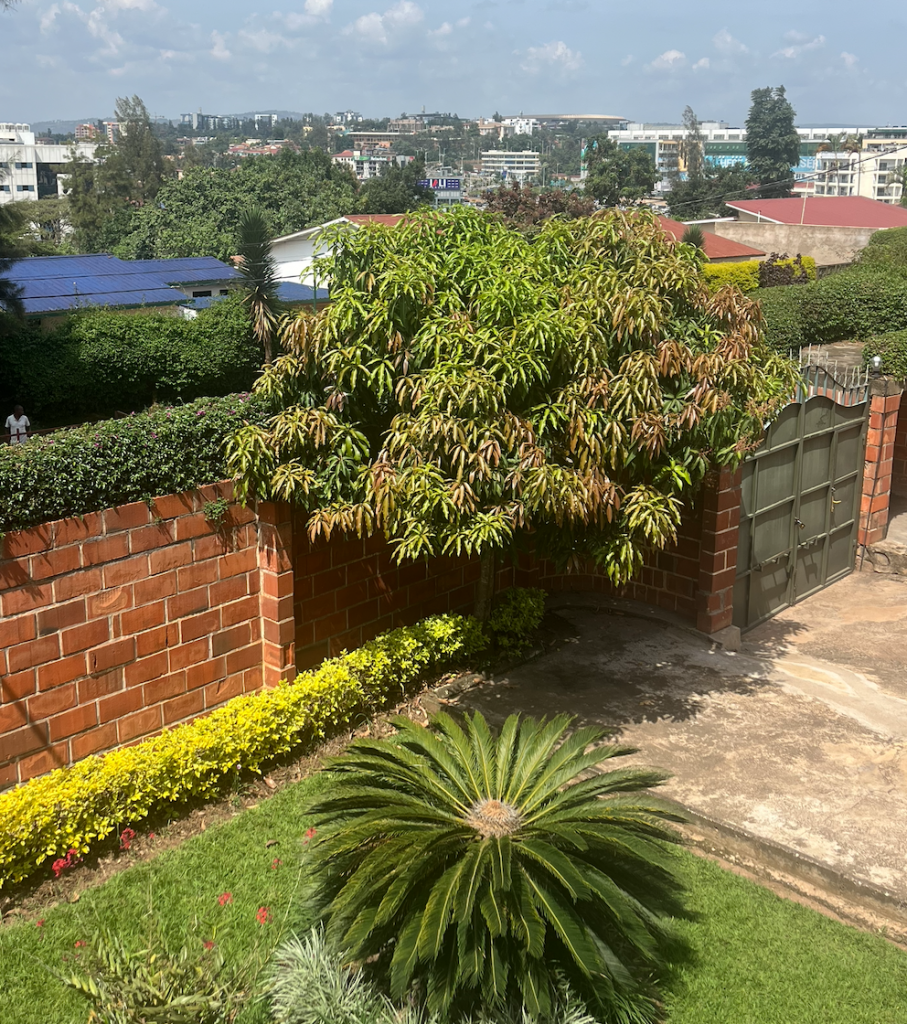
The olfactory experience of Kigali, for me, was a mixture of bug spray and coffee. I smelled strongly of bug spray and mosquito repellent instead of my preferred perfumes, even though my dinners came with a side of malaria pills. I was not taking any chances. As for the coffee? The city air almost smelled like it. The coffee scene thrives in the city, with Rwanda’s lush hills a perfect environment for coffee bean cultivation.
Rwanda was, honestly, exactly what I hoped Sub-Saharan Africa to be like. The ladies – and the men – balancing items on their heads for transport, from logs to potted plants to pottery to fruit bowls. I saw a woman carrying probably eight baskets on her head at once, with the help of an enormous tray holding the baskets above her.
If goods aren’t being balanced, they’re strapped to the back of bicycles. Rwandans don’t generally rely on motorized vehicles, especially outside of Kigali – if they have to transport items from village to village, they’re up before dawn and pushing their bicycles up and down the hills.
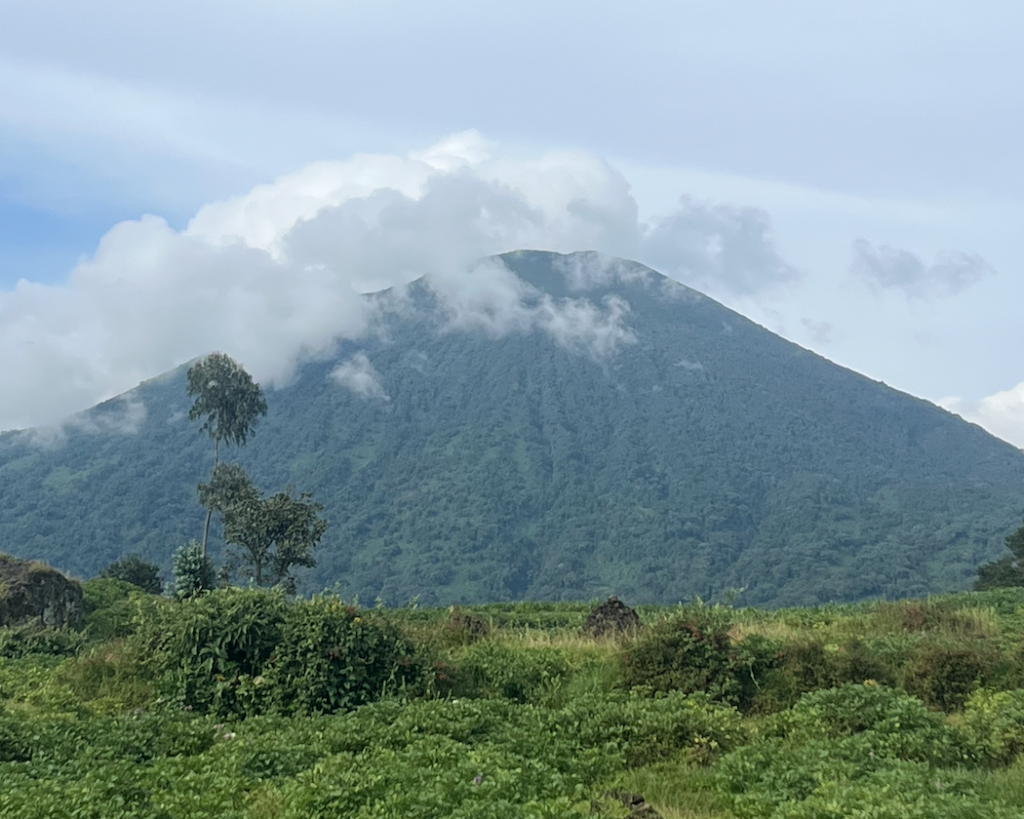
I hired a guide and visited Volcanoes National Park, which holds seven volcanoes – five of which are in Rwanda. The park shares a border with Uganda and the Democratic Republic of Congo. Rwanda is known as “the land of a thousand hills” – and that name rings true. Two hours of driving to the west of the country, and all of it spent traveling up and down through winding roads in the mountains. The drivers are impatient, and will often pass slower people in potentially dangerous areas. I saw four car accidents that day.
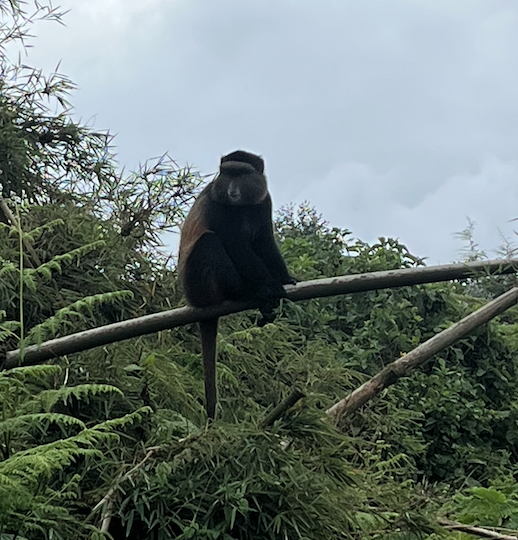
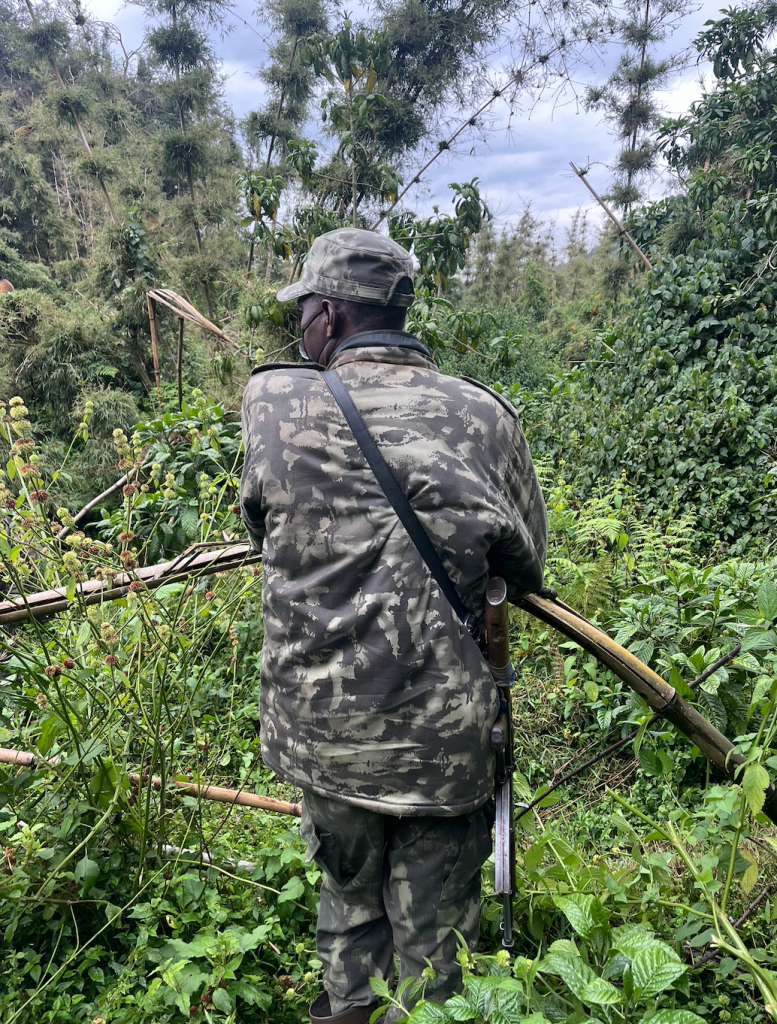
My purpose of visiting this park was to spot the Golden Monkeys. They’re a rare and endangered species, and they’re only found in the bamboo forests of the Virunga Mountains that run through this park. Once I arrived, I strapped on hiking boots and waded through the mud, bamboo, and stinging nettles, following a tracker who had discovered the location of this particular family of monkeys. They were so fun to watch!
Volcanoes National Park is also known for mountain gorilla trekking, which would have been amazing if it wasn’t so expensive. To see animals within this park, the policy is to apply through the government for a permit. I paid $100 for mine, but the permit to trek for gorillas is $1,500 – not including the guide. Most of this money goes to conservation, though, and the population rebound of endangered species in Rwanda has been incredible.
I enjoyed driving through Rwanda’s villages. Seeing the small houses made of mud and clay, kids running around or helping their parents pump the water, small local vegetable markets. Cows and goats and sometimes pigs walk around freely among the villages. I drove by a traditional drum ceremony, and a traditional wedding. There is very limited cell service and mechanization here – the people do literally all of the physical work in the villages. The village children must get excited to see cars drive by, because they all lined up to wave and excitedly shout at me and my guide – I felt like I was in a parade!
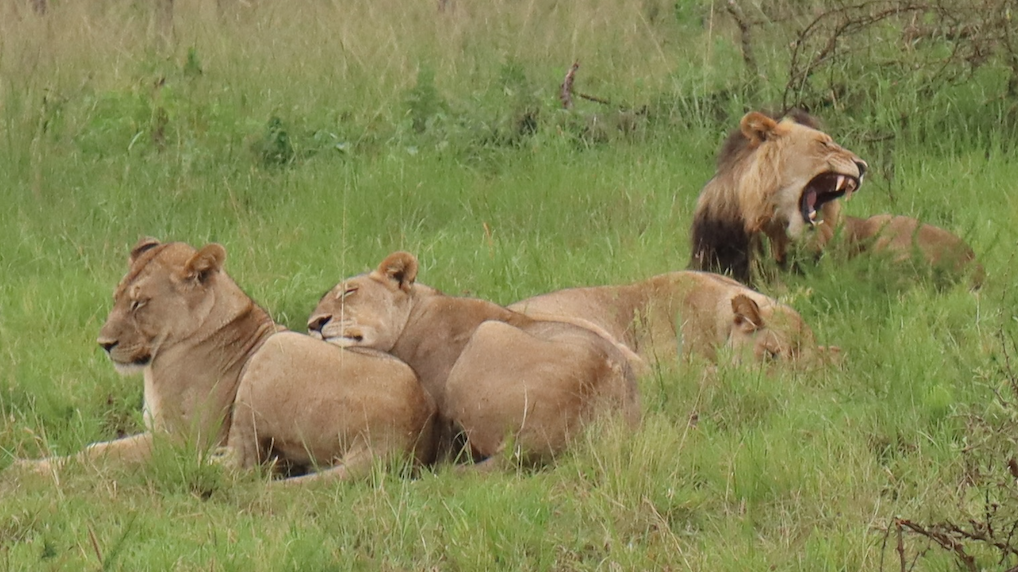
The highlight of my time here, though, was my safari trip at Akagera National Park on the east side of the country, bordering Tanzania. I’d wanted to go on a safari since I was young, and this was my first one. Riding around in a 4×4 drifting through mud and searching the bushes and marshes for wildlife – it was awesome.
It wasn’t the best season for safari drives, as the rain makes animals lazy, but I left the park satisfied with the experience. For a while, I was only seeing antelopes and baboons, so I was a little worried. But the second half was all I’d hoped for: up close giraffes, zebras running through the tall grass, a pack of lions, white rhinos in the distance, a herd of elephants (including a baby)! It is such a blessing to have been able to see these animals in their natural habitats.
After two weeks in Rwanda, I certainly felt less exhausted and uncertain. Kigali refreshed me, and Rwanda’s beautiful nature recharged me. I developed an appreciation for daily life in Rwanda, each unfamiliar aspect turned into a learning experience. The long drives, the village scenes, the moto taxis weaving through traffic, the hours spent scanning the savannah – it all added up to a memorable, immersive experience. If you’re visiting Africa for the first time, Rwanda is an excellent and friendly place to start.
Subscribe for post notifications!
Follow my Instagram @stepsineverycorner and my TikTok @stepsineverycorner for travel updates and dives into other topics.


Leave a Reply